


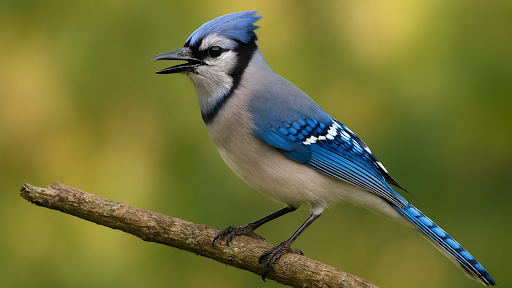
Birds are among the most fascinating subjects in nature photography. Their vivid plumage, unique behaviors, and diverse habitats offer endless opportunities for photographers of all skill levels. Successfully capturing these moments, however, requires more than just pointing a camera skyward. It involves preparation, knowledge of avian behavior, and an understanding of photography techniques tailored to fast-moving wildlife.
Understanding Bird Behavior
The first step to photographing birds effectively is learning about their habits. Different species are active at different times of day, with early morning and late afternoon often being the most fruitful. These hours also provide softer, more flattering light. Observing feeding patterns, nesting behavior, and flight routes can give photographers the advantage of anticipating movement, making it easier to frame the perfect shot.
Seasonality also plays a role. Migratory birds appear only at specific times of year, and local species may change plumage or behavior depending on the breeding season. Keeping a simple field notebook or using digital tools to record observations can help track these patterns.
Choosing the Right Equipment
While expensive gear is not mandatory, certain tools make photographing birds easier. A telephoto lens, ideally 300mm or longer, allows for close-up shots without disturbing the animal. A lightweight tripod or monopod adds stability, particularly for extended shooting sessions. For cameras, fast autofocus and continuous shooting modes are valuable features when dealing with unpredictable subjects.
It is equally important to keep the equipment manageable. Heavy gear can quickly become a burden in outdoor environments. Many photographers favor a balance between lens length and portability, ensuring they can remain mobile while tracking their subjects.
Mastering Technique
Capturing sharp images of birds often depends on technique rather than equipment alone. Using a fast shutter speed—often 1/1000 of a second or faster—is essential to freeze motion. Aperture settings influence depth of field; wider apertures (such as f/5.6) isolate the bird against a blurred background, while narrower apertures keep more of the environment in focus.
Proper exposure can be challenging when dealing with birds that have both bright and dark feathers. Spot metering on the subject helps ensure accurate detail without washing out the background. Continuous autofocus and burst mode further improve the chances of catching a bird in mid-flight or during a fleeting behavior.
Respecting Ethical Practices
Responsible photography always prioritizes the well-being of wildlife. Birds should never be harassed, chased, or lured with harmful methods. Nesting areas are especially sensitive; disturbing these can cause stress or abandonment. The best practice is to maintain distance, remain patient, and let the bird dictate the encounter.
Camouflage clothing and quiet movement can help reduce human presence without interfering with the subject’s natural behavior. Using long lenses further supports this approach, allowing photographers to capture intimate details without intrusion.
Exploring Locations
Finding the right location is as important as technical skill. Parks, wetlands, forests, and coastal regions often provide excellent opportunities. Many local birding groups publish checklists or maintain online communities where sightings are shared. Exploring a variety of habitats expands the range of species available to photograph.
Urban environments should not be overlooked. Birds thrive in cities and suburbs, from songbirds visiting backyard feeders to raptors nesting on tall buildings. Photographers who remain observant can often find remarkable subjects close to home.
Building Patience and Persistence
Perhaps the most critical element in photographing birds is patience. Birds are unpredictable, and waiting for the right moment can take hours or even days. The reward, however, is the opportunity to capture images that reflect both the beauty of the bird and the skill of the photographer.
Developing persistence also means learning from failed attempts. Blurred images, missed exposures, or poorly timed shots are inevitable. Instead of discouragement, these should be viewed as part of the learning curve. Over time, improvement becomes noticeable as techniques sharpen and an intuitive understanding of bird behavior grows.
The Art and Science of Bird Photography
At its core, bird photography combines artistry with discipline. It requires technical mastery of the camera, patience in the field, and respect for the creatures being observed. Whether practiced in remote wilderness areas or in a backyard, it offers photographers a deeper appreciation of avian life and the natural world.
By blending preparation, skill, and respect, anyone can achieve compelling results. Every image becomes not only a record of beauty but also a reminder of the importance of preserving the environments where these creatures live and thrive.