


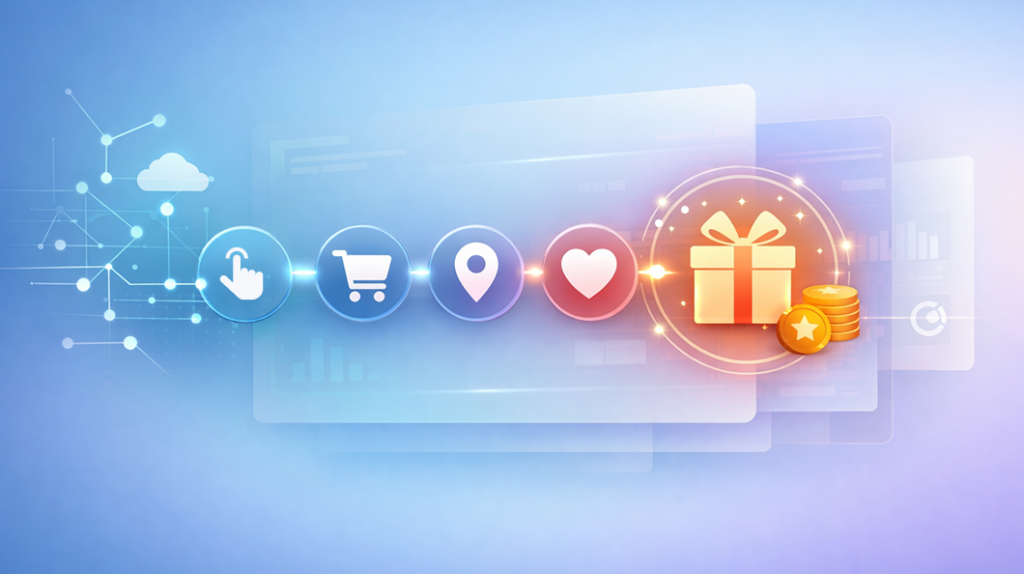
For years, loyalty programs have followed a familiar model where customers earn points, receive discounts, or get cashback on purchases. While this approach worked for a time, it’s gradually losing its impact as customer engagement expectations continue to evolve.
Today, customers expect more than transactional rewards. They want experiences that reflect their behavior, preferences, and interactions across multiple touchpoints. Whether it’s browsing products, engaging with content, or sharing with others, customers expect these actions to be recognized and rewarded.
This shift is driving businesses toward behavior-based rewards — where value is created through engagement. To make this possible, companies are increasingly opting for custom loyalty platform development and professional loyalty program integration services that connect customer data, platforms, and reward systems into a unified experience.
In this article, we’ll explore how behavior-based rewards work, why they are gaining importance, and how integrating them into modern loyalty systems can help businesses improve engagement, retention, and overall customer experience.
Table of Contents
What Are Behavior-Based Rewards?
Behavior-based rewards are incentives given to customers based on their actions, not just their purchases. These actions can include browsing products, engaging with an app, referring others, or interacting on social platforms.
By rewarding engagement across multiple touchpoints, businesses shift the focus from transactions to ongoing customer interaction.
Role of Data in Behavior-Based Rewards
Data plays a central role in enabling behavior-based rewards. By collecting and analyzing customer interactions, businesses can understand user behavior, segment audiences more effectively, and deliver personalized incentives. This data-driven approach ensures that rewards are timely, relevant, and aligned with individual customer preferences.
Key Benefits of Behavior-Based Reward Systems
Behavior-based reward systems go beyond traditional incentives by actively engaging users throughout their journey. By rewarding meaningful actions, businesses can create stronger connections, improve engagement, and drive more targeted outcomes.
Common advantages of behavior-based rewards include:
Increased Customer Engagement
By rewarding actions such as browsing, app usage, or social interaction, businesses encourage users to stay active across multiple platforms. This continuous engagement helps keep the brand top of mind and increases the frequency of interactions.
Improved Customer Retention
Personalized rewards make customers feel recognized and valued, which strengthens long-term relationships. When users receive incentives that align with their behavior, they are more likely to remain loyal to the brand.
Better Data Utilization
Behavior-based systems generate valuable insights into customer actions and preferences. Businesses can use this data to refine their strategies, create more targeted campaigns, and improve overall marketing effectiveness.
Higher Conversion Rates
Rewards can influence customer decisions by encouraging specific actions such as sign-ups, referrals, or purchases. By guiding user behavior with well-timed incentives, businesses can improve conversion rates and drive measurable results.
To implement these systems effectively, integration plays a key role.
Understanding The Role of Loyalty Program Integration
Behavior-based rewards rely heavily on how well different systems work together. Loyalty program integration ensures that customer data, engagement signals, and reward mechanisms are connected across platforms, enabling a smooth and consistent experience.
Connecting Multiple Systems
Loyalty program integration connects key business systems such as CRM, marketing automation tools, mobile apps, and e-commerce platforms. This allows customer interactions from different touchpoints to be captured and used to trigger relevant rewards.
Real-Time Data Synchronization
With integrated systems, data is updated instantly across platforms. This enables immediate reward triggers based on user actions while maintaining consistent and up-to-date customer profiles across all systems.
Unified Customer Experience
Integration ensures that customers experience seamless interactions across channels, whether they are browsing a website, using an app, or engaging with marketing campaigns. Consistent reward logic across platforms helps build trust and reinforces a cohesive brand experience.
Real-World Use Cases of Behavior-Based Rewards
In e-commerce platforms, businesses can reward customers not just for purchases but for actions like browsing products or adding items to a wishlist. These small incentives encourage repeat visits and keep users engaged throughout their buying journey.
In mobile apps, behavior-based rewards often focus on app engagement, such as daily logins, feature usage, or completing specific actions. Many platforms also introduce gamification elements like badges or levels to make the experience more interactive and rewarding.
For subscription-based services, rewards can be tied to continued usage, encouraging customers to stay active over time. Additionally, referral incentives motivate users to bring in new customers, helping businesses grow organically.
In the case of retail and omnichannel brands, behavior-based rewards can span both online and offline experiences. Businesses can offer cross-channel engagement rewards and track in-store and online behavior together, creating a more connected and personalized customer journey.
Challenges in Implementing Behavior-Based Rewards
Below are some common challenges that businesses face while implementing behavior-based rewards:
Data complexity
- Collecting large volumes of behavioral data from multiple touchpoints can be difficult
- Ensuring data accuracy and consistency across systems is critical for reliable rewards
Integration challenges
- Connecting multiple platforms, such as CRM, apps, and marketing tools, requires careful planning
- Maintaining real-time performance is essential for triggering timely rewards
Privacy and compliance
- Businesses must follow data protection regulations when handling user data
- Ensuring user consent and maintaining transparency is key to building trust
Best Practices for Implementing Behavior-Based Reward Systems
- Define clear reward triggers: Identify specific actions that should be rewarded, ensuring they align with business goals and customer engagement objectives.
- Focus on meaningful customer actions: Prioritize behaviors that reflect genuine interest or long-term value, rather than rewarding every minor interaction.
- Use real-time data processing: Enable instant recognition of customer actions so rewards feel timely and relevant, reinforcing engagement.
- Ensure seamless system integration: Connect CRM, apps, and marketing platforms so data flows smoothly and reward logic remains consistent across channels.
- Maintain transparency and data privacy: Clearly communicate how rewards work and how customer data is used, ensuring compliance and building trust.
A thoughtful, well-structured approach ensures that behavior-based rewards remain effective, relevant, and sustainable as customer expectations continue to evolve.
Summing It Up
Traditional loyalty programs, built around points and discounts, are no longer enough to keep customers engaged. They focus mainly on transactions, often missing the opportunity to build meaningful, ongoing relationships with customers.
Behavior-based rewards shift the focus toward engagement, recognizing and rewarding how customers interact with a brand across different touchpoints. When supported by strong integration, these systems enable real-time, personalized experiences that feel more relevant and valuable.
Businesses that adopt behavior-based reward systems, backed by effective integration strategies, can move beyond simple transactions to build deeper relationships, drive consistent engagement, and create long-term customer loyalty in an increasingly competitive market.