


EPDM rubber is everywhere — in car door seals, roofing membranes, and garden hoses. But did you know the performance of EPDM products depends heavily on the masterbatch used during compounding? If you’re sourcing from plastic master batch manufacturers in India, understanding EPDM masterbatch will help you make better decisions and get better products. Let’s get into it.
Table of Contents
What Is EPDM Masterbatch?
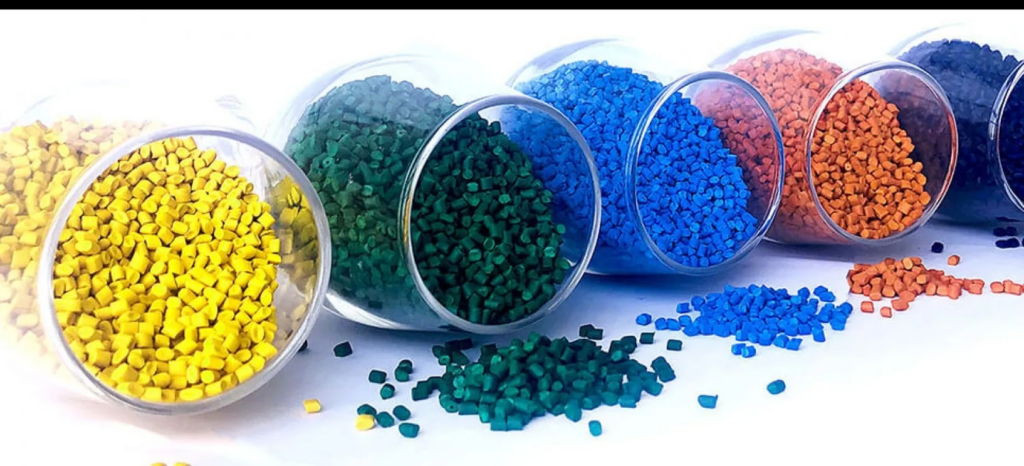
EPDM (Ethylene Propylene Diene Monomer) Masterbatch is a concentrated blend of additives, pigments, or processing aids dispersed in an EPDM or compatible carrier. It’s designed for use with EPDM rubber compounds used in:
- Automotive sealing systems (door, window, trunk seals)
- Roofing and waterproofing membranes
- Garden and industrial hoses
- Electrical cable insulation
- Vibration-damping pads
The masterbatch makes it easier to incorporate ingredients like carbon black, colorants, UV stabilizers, or processing oils uniformly into the EPDM matrix.
Why Plastic Master Batch Manufacturers in India Are a Smart Choice
- Cost advantage: Indian manufacturers offer competitive pricing without compromising on quality
- Technical capability: Many leading plastic master batch manufacturers in India have world-class compounding equipment and in-house labs
- Customization: Indian suppliers are known for flexibility — they’ll develop custom grades for your exact specification
- Fast turnaround: Local sourcing reduces lead times significantly compared to imports
- Growing R&D base: Several Indian manufacturers now hold international quality certifications
How to Evaluate Plastic Master Batch Manufacturers in India
Check Their Rubber Masterbatch Experience
Rubber compounding is different from thermoplastic compounding. Look for manufacturers who have specific experience with elastomeric systems — not just PP or PE masterbatch producers.
Review Their Dispersion Technology
Poor dispersion in EPDM means hard spots, surface defects, and inconsistent physical properties. Ask about their mixing technology — internal mixers (Banbury-type) or twin-screw extruders designed for rubber compounds.
Request Physical Property Data
A reliable EPDM masterbatch supplier should provide the following:
- Mooney viscosity data
- Tensile strength and elongation values after incorporation
- Shore A hardness
- Aging resistance data (after heat and UV exposure)
Verify Material Safety
Especially for automotive applications, ensure the masterbatch is free from restricted substances under REACH and automotive-specific standards like IMDS.
Steps to Successfully Use EPDM Masterbatch
- Identify your EPDM grade. Different EPDM polymers (varying ethylene content and diene type) need matched masterbatches.
- Define your end property requirements. UV resistance? Color? Flame retardancy? Be specific.
- Request a custom formulation. Off-the-shelf products rarely match every application perfectly.
- Run small-scale trials. Test in your existing compounding setup before committing to full production.
- Document process parameters. Record mix time, temperature, and sequence for repeatable results.
Common Mistakes When Sourcing EPDM Masterbatch
- Assuming all EPDM masterbatches are the same. Carrier type, additive quality, and dispersion level all vary widely.
- Ignoring oil bleed. Some EPDM masterbatches with excess process oil can migrate to the surface.
- Not testing at your processing temperature. EPDM compounding temperatures differ from typical thermoplastic processing.
- Using mismatched carrier resins. A carrier not compatible with your EPDM base will cause segregation and weak points.
EPDM Masterbatch plays a critical role in determining the performance and durability of your rubber products. By sourcing from experienced plastic master batch manufacturers in India, you get technical expertise, customization flexibility, and cost efficiency all in one place.
Contact leading plastic masterbatch manufacturers in India today and request an EPDM masterbatch sample for your next production run.
Key Types of EPDM Masterbatch
| Type | Key Additives | Application |
| Carbon Black EPDM MB | Carbon black, process oil | Roofing membranes, cable sheathing |
| Color EPDM MB | Organic/inorganic pigments | Automotive seals, consumer goods |
| UV Stabilizer EPDM MB | HALS, UV absorbers | Outdoor roofing, garden products |
| Processing Aid EPDM MB | Lubricants, plasticizers | High-volume extrusion lines |
| Flame Retardant EPDM MB | Halogen-free FR agents | Electrical insulation |
Frequently Asked Questions (FAQs)
Q1: What is EPDM Masterbatch used for?
It’s used to incorporate pigments, carbon black, UV stabilizers, and other additives uniformly into EPDM rubber compounds for seals, roofing, cables, and hoses.
Q2: Why source EPDM Masterbatch from India?
Indian plastic master batch manufacturers offer competitive pricing, strong technical capabilities, customization flexibility, and faster delivery compared to imported products.
Q3: How is EPDM Masterbatch different from PP or PE masterbatch?
EPDM is a rubber, not a thermoplastic. The compounding process, equipment, and dispersion mechanics are very different. Specialized manufacturers are needed.
Q4: What carrier resin is used in EPDM masterbatch?
The carrier is typically EPDM rubber itself or a compatible elastomeric carrier to ensure good compatibility and dispersion.
Q5: Can EPDM masterbatch improve UV resistance?
Yes. UV stabilizer grades containing HALS and UV absorbers significantly extend the outdoor life of EPDM products.
Q6: Is EPDM masterbatch suitable for food-contact applications?
Some food-grade formulations exist, but you must confirm with the manufacturer that all ingredients comply with relevant food-contact regulations.
Q7: What testing should I do after incorporating EPDM Masterbatch?
Test tensile strength, elongation, Shore A hardness, heat aging, and UV aging to confirm the masterbatch meets your product specifications.
Q8: How do plastic masterbatch manufacturers in India ensure consistency?
Through ISO-certified production processes, batch testing, spectrophotometric color measurement, and standardized compounding protocols.