


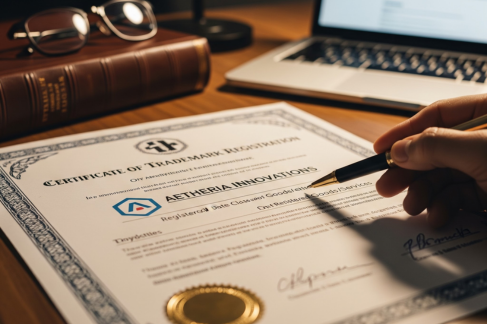
Registering a trademark is one of the most important steps businesses can take to protect their brand identity. Whether you’re launching a new company, introducing a product, or expanding into new markets, trademark registration provides valuable legal protection and helps establish exclusive rights to your brand assets.
However, one of the most common questions business owners ask is “How long does it take to get a trademark?” While some applications move through the process relatively smoothly, others encounter delays that can extend the timeline by several months or even years. Understanding the factors that influence trademark processing times can help applicants avoid unnecessary setbacks and improve their chances of a successful registration.
Table of Contents
Understanding the Trademark Registration Process
Before examining the factors that affect timelines, it’s important to understand the basic trademark registration process.
After a trademark application is submitted, it undergoes several stages, including:
- Application filing
- Examination by a trademark attorney
- Publication for opposition
- Registration or issuance of a notice of allowance
- Additional filings for intent-to-use applications
Each stage has its own requirements and potential obstacles. The speed at which an application progresses often depends on the applicant’s preparation and the complexity of the trademark itself.
Conducting a Thorough Trademark Search
One of the most effective ways to avoid delays is to perform a comprehensive trademark search before filing.
Many applications encounter problems because the proposed trademark is similar to an existing registered mark or a pending application. If the examining attorney identifies a conflict, the application may receive an office action or be refused altogether.
A thorough search helps identify potential issues early and allows businesses to make adjustments before investing time and money in the filing process.
Applicants who skip this step often face avoidable delays and increased legal expenses.
Choosing a Strong and Distinctive Trademark
The strength of a trademark plays a significant role in how quickly it moves through the registration process.
Distinctive trademarks are generally easier to register because they clearly identify the source of goods or services. Examples include invented words, unique phrases, and arbitrary terms that are unrelated to the products being offered.
In contrast, descriptive or generic trademarks often face additional scrutiny. The examining attorney may question whether the mark is capable of functioning as a trademark, leading to office actions and longer review periods.
Selecting a distinctive mark from the beginning can significantly improve the likelihood of a smooth application process.
Filing an Accurate Application
Even minor mistakes in a trademark application can result in delays.
Common application errors include:
- Incorrect owner information
- Incomplete descriptions of goods or services
- Improper classification selections
- Missing specimens of use
- Filing under the wrong basis
When errors are discovered during examination, the USPTO typically issues an office action requesting clarification or corrections. Applicants must then respond within specified deadlines, extending the overall timeline.
Carefully reviewing all information before submission can help avoid these unnecessary delays.
Selecting the Correct Trademark Class
Trademark applications require applicants to identify the goods and services associated with their mark.
The USPTO organizes these goods and services into various trademark classes. Selecting the wrong class or providing vague descriptions can trigger examiner concerns and requests for clarification.
Applications that contain accurate and specific classifications generally move through the review process more efficiently.
Businesses should take time to understand the appropriate classifications for their products and services before filing.
Responding Promptly to Office Actions
Office actions are among the most common causes of trademark registration delays.
An office action is a formal communication from the USPTO examining attorney identifying issues that must be resolved before the application can proceed.
These issues may include:
- Likelihood of confusion with existing trademarks
- Descriptiveness concerns
- Technical filing deficiencies
- Clarification requests
Applicants are generally given several months to respond. While the deadline provides flexibility, waiting until the last minute can significantly increase the overall registration timeline.
Prompt and complete responses help keep applications moving forward and reduce unnecessary delays.
Similar Existing Trademarks
One of the biggest factors affecting trademark approval is the existence of similar marks already registered or pending.
If an examining attorney determines that consumers may confuse your trademark with another, a refusal may be issued based on likelihood of confusion.
Resolving these conflicts can involve:
- Legal arguments
- Amendments to the application
- Negotiations with other trademark owners
- Appeals
These additional steps often add months to the registration process.
Conducting a comprehensive search beforehand can help minimize the risk of encountering these obstacles.
Intent-to-Use Applications Require Additional Steps
Applicants can file trademarks based on current use in commerce or a future intention to use the mark.
Intent-to-use applications are valuable for businesses that have not yet launched products or services. However, they typically take longer to complete because additional filings are required before registration can be granted.
After approval, applicants must submit a Statement of Use demonstrating actual commercial use of the trademark.
If use has not begun, extension requests may be filed, which can further extend the registration timeline.
Opposition Proceedings Can Create Significant Delays
After examination, approved trademark applications are published for opposition.
During this period, third parties have an opportunity to challenge the registration if they believe it may harm their interests.
Trademark opposition proceedings can become lengthy legal disputes involving:
- Evidence submissions
- Discovery processes
- Negotiations
- Administrative hearings
While some oppositions are resolved quickly through settlement, others may continue for many months or even years.
Oppositions are among the most significant factors that can delay trademark registration.
USPTO Workload and Processing Times
Not all delays are within the applicant’s control.
Trademark applications are reviewed by USPTO examining attorneys, and processing times can vary depending on overall workload and staffing levels.
Periods of increased filing activity often lead to longer examination wait times. Even perfectly prepared applications may experience delays due to administrative backlogs.
While applicants cannot control these factors, submitting a complete and accurate application helps prevent additional delays once examination begins.
Working With Trademark Professionals
Many businesses choose to work with trademark professionals to improve efficiency and reduce filing mistakes.
Experienced professionals can assist with:
- Trademark searches
- Application preparation
- Classification selection
- Office action responses
- Ongoing application monitoring
Professional guidance often helps applicants avoid common pitfalls that can slow the registration process.
Although it represents an additional investment, expert assistance may ultimately save time and reduce the risk of costly errors.
Best Practices for Faster Trademark Registration
Businesses seeking a smoother registration experience should follow several best practices:
- Conduct a Comprehensive Search: Identify potential conflicts before filing.
- Choose a Distinctive Mark: Unique trademarks typically face fewer legal challenges.
- File Accurate Information: Double-check ownership details, classifications, and descriptions.
- Monitor Application Status: Regularly review updates and correspondence from the USPTO.
- Respond Quickly: Address office actions and requests for information as soon as possible.
- Seek Professional Assistance: Expert guidance can help prevent mistakes and streamline the process.
Conclusion
Many factors influence the speed of trademark registration, from the strength of the trademark itself to the accuracy of the application and the possibility of legal disputes. While every case is unique, proper preparation can significantly reduce delays and improve the chances of successful registration.
For business owners wondering how long it takes to get a trademark, the answer often depends on how effectively these factors are managed. By conducting thorough research, filing accurately, and responding promptly throughout the process, applicants can help move their trademark applications forward as efficiently as possible while protecting one of their most valuable business assets.