


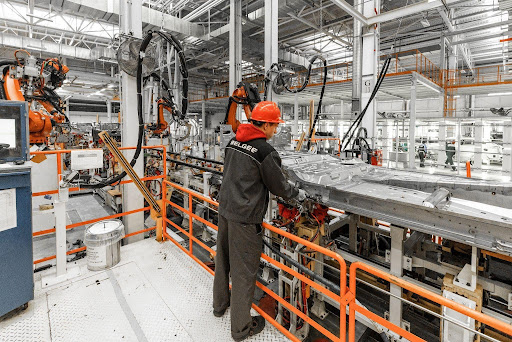
Efficient procurement of industrial equipment has become a defining factor for operational success across manufacturing and infrastructure sectors. The integration of industrial automation has transformed how organizations source, evaluate, and manage critical machinery and components. It reduces manual intervention, enhances accuracy in ordering, and ensures that procurement teams can align supply chains with production demands more effectively. By combining digital tools with real-time data, businesses are able to streamline sourcing decisions and reduce delays in acquiring essential industrial assets. This shift supports better planning and cost efficiency across large-scale operations. It also improves supplier coordination and reduces risks associated with manual procurement workflows, making supply chains more resilient and responsive systems.
Role of Industrial Automation in Modern Procurement
The procurement landscape has evolved significantly with the introduction of smart technologies. Industrial automation plays a key role in replacing traditional manual processes with intelligent systems that can track, analyze, and execute purchasing decisions more efficiently. Key improvements include:
- Automated inventory tracking for real-time stock visibility
- Predictive ordering based on usage patterns
- Reduced human errors in purchase documentation
- Faster approval cycles through digital workflows
- Improved coordination between suppliers and procurement teams
These improvements allow companies to maintain continuous production without interruptions caused by material shortages or delayed equipment deliveries. It also helps procurement managers focus more on strategic decision-making rather than repetitive administrative tasks.
Enhancing Supply Chain Accuracy and Speed
One of the most important benefits of industrial automation in procurement is the improvement in supply chain accuracy. Traditional procurement methods often involve delays due to manual approvals, miscommunication, or inaccurate forecasting. Automation introduces systems that:
- Monitor supplier performance in real time
- Compare pricing and availability instantly
- Trigger automatic reorder alerts when stock reaches minimum levels
- Maintain digital records of transactions for transparency
- Reduce dependency on manual data entry
These features ensure that procurement cycles are faster and more reliable. Businesses can respond quickly to operational needs, avoiding downtime caused by missing equipment or delayed shipments.
Cost Efficiency and Resource Optimization
Procurement efficiency is closely linked to cost control. With industrial automation, companies can significantly reduce unnecessary expenses and improve resource utilization. Some key cost benefits include:
- Reduced labor costs due to automated workflows
- Lower risk of overstocking or understocking materials
- Better negotiation power through data-driven purchasing
- Minimization of wastage in procurement processes
- Optimized vendor selection based on performance analytics
Automation also allows organizations to forecast demand more accurately. This prevents emergency purchases, which are often more expensive and less efficient. Over time, businesses achieve stronger financial stability through optimized procurement operations.
Data-Driven Decision Making in Procurement
Modern procurement relies heavily on data insights. With automation systems in place, organizations can collect and analyze large volumes of procurement data to improve decision-making. Key advantages include:
- Detailed supplier performance reports
- Historical purchasing trend analysis
- Demand forecasting based on production cycles
- Real-time cost comparison across vendors
- Identification of inefficiencies in procurement workflows
Industrial automation enables procurement teams to move away from guesswork and rely on measurable insights. This leads to more strategic purchasing decisions that align with long-term operational goals.
Digital Procurement Platforms and Supplier Collaboration
A major advancement driven by industrial automation is the rise of integrated digital procurement platforms. These platforms connect buyers, suppliers, and logistics partners into a unified ecosystem, improving transparency and collaboration. Key features include:
- Centralized supplier databases for faster sourcing
- Automated quotation requests and comparisons
- Real-time communication between procurement teams and vendors
- Digital contract management and approval systems
- Performance tracking dashboards for supplier evaluation
This digital collaboration reduces misunderstandings and improves trust between businesses and suppliers. It also ensures that procurement teams can quickly identify the most reliable vendors based on performance history, pricing stability, and delivery efficiency. As a result, procurement becomes more strategic and less transactional.
Integration with Industrial Operations
Procurement does not operate in isolation; it is closely connected with production, logistics, and maintenance departments. Automation ensures seamless integration across these functions. Benefits of integrated systems include:
- Synchronization between production schedules and supply orders
- Automatic updates of inventory across departments
- Reduced communication gaps between procurement and operations teams
- Improved maintenance scheduling through timely equipment availability
- Better coordination in large-scale industrial projects
This level of integration ensures that equipment procurement supports overall operational efficiency rather than becoming a bottleneck.
Challenges Solved by Industrial Automation
Before automation, procurement teams often faced several challenges that affected productivity and efficiency. These challenges are now being addressed effectively. Common issues resolved include:
- Delays in supplier response times
- Errors in manual purchase orders
- Lack of visibility into inventory levels
- Difficulty in tracking procurement costs
- Inefficient approval processes
By implementing industrial automation, organizations are able to eliminate many of these operational inefficiencies. This results in smoother procurement cycles and improved reliability in industrial operations.
Future of Procurement with Automation
The future of procurement is strongly connected to intelligent systems and digital transformation. As technology continues to evolve, industrial automation will become even more advanced, offering predictive intelligence and autonomous decision-making capabilities.
Expected developments include:
- AI-powered procurement forecasting
- Fully automated supply chain ecosystems
- Smart contracts for vendor agreements
- Advanced analytics for real-time procurement optimization
- Greater integration with IoT-enabled industrial equipment
These advancements will continue to reshape how industries manage procurement, making it more efficient, transparent, and responsive to changing demands.
Conclusion
The integration of automation technologies into procurement processes has fundamentally transformed how industries manage equipment sourcing and supply chain operations. The adoption of industrial automation systems integrators plays a crucial role in ensuring that these technologies are effectively implemented, customized, and optimized for different industrial environments.
Companies like Dynamic Industrial UAE stand out as a dependable partner in this evolving landscape. By offering reliable industrial supply solutions, streamlined sourcing support, and efficient procurement assistance, the brand helps industries reduce complexity and improve operational performance. Their commitment to quality service and strong supply chain coordination ensures that businesses can access the right equipment at the right time. Through such expertise, Dynamic continues to strengthen its position as a trusted name supporting modern industrial growth and efficiency.