


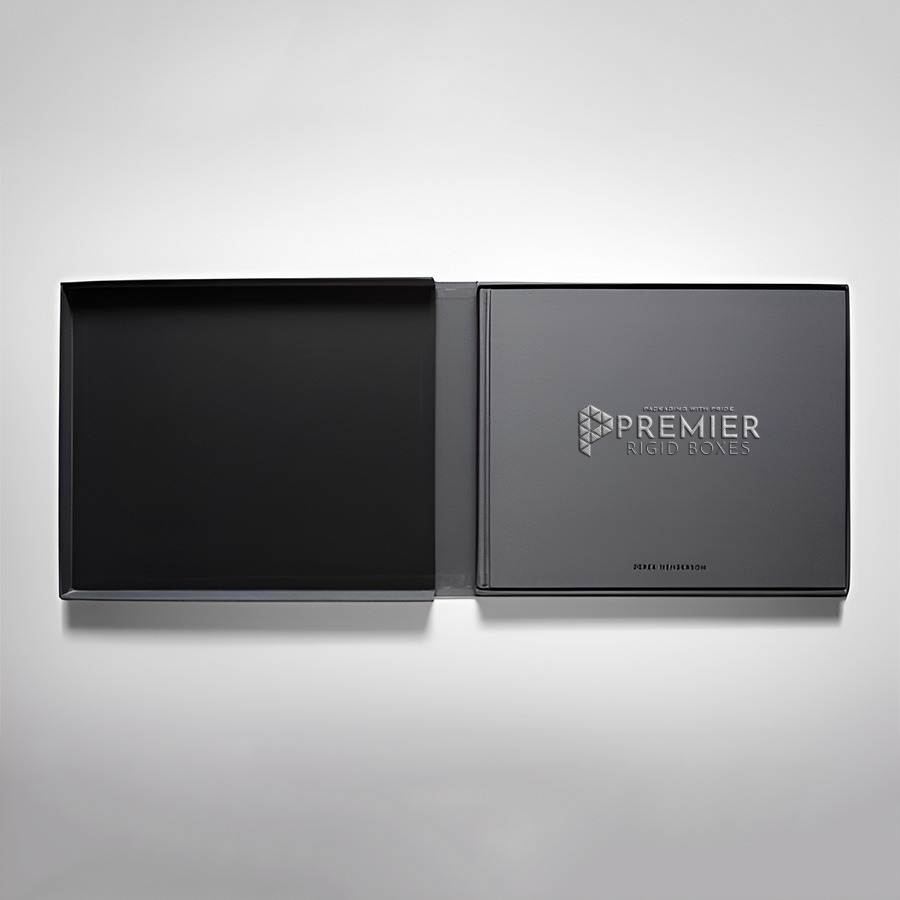
The world of custom ecommerce packaging is undergoing a transformational tech makeover. The packaging industry is moving from 1D to 2D barcodes, with the global GS1 Sunrise 2027 initiative driving this shift. The global push for transitioning packaging from 1D to 2D barcodes is transforming it from a mere protection tool into an interactive, digital experience.
This is a game-changer for upscale, luxury gift boxes. It enables luxury brands to combine the finest physical craftsmanship (such as textured Kraft paperboard, embossing and foil stamping) with immersive digital storytelling without a preponderance of graphics to spoil the look.
The most significant changes in the boutique packaging industry come from the Smart 2D barcodes, which are mostly QR codes using the GS1 Digital Link standard, and Data Matrix codes.
Impeccable Aesthetics is the first of two new titles by 1
Boutique gift boxes rely solely on sight and touch to convey luxury. The traditional 1D linear bar codes are an eyesore, taking the premium feel out of a custom-designed box.
A 2D barcode requires only a small amount of space the 2D Advantage. It can be used for dual purposes: it ‘beep’ at retail point-of-sale (POS) and it is also a web URL for the consumer.
Seamless Integration: It’s possible to have the 2D code (high contrast) integrated into the base design, inside flap, or even a simple geometric pattern. This leaves the primary box real estate uncluttered for gorgeous branding, matte finishes or embossed logos.
With a clean and scalable GS1 Digital Link architecture, brands can overcome the mess of one use-only code on their packaging by using a single code which is future proof. This seamless shift meets the regulatory visibility requirements, provides a full view of B2B supply chain metrics and integrates seamlessly with the consumers via a single scan.
Raising the bar on unwrapping psychology
The unboxing experience is the product for luxury and e-commerce gift brands. That experience can be carried into the digital world with the single lift of the lid courtesy of smart 2D barcodes.
2D codes can be personalized to create video greetings: E-commerce gift platforms can leverage. A custom video is recorded at checkout by the gift giver and attached to the unique bar code of the box. The receiver, who opens the box and scans it, can see his/her own video immediately.
Rather than loading a high-end box with paper booklets, a glance can whisk the user away into a stunningly designed landing page that highlights the craftsmanship behind the gift, the artist’s journey or curated instructions for styling the give.
3. High-End Traceability & Authenticity
Popular luxury product for counterfeiting include luxury boutique goods like high-quality cosmetics, artisanal candles, and gourmet food.
The 2D barcodes contain a generic product type, but they can also contain a serial number giving evidence of the authenticity of the product inside the boutique box.
Batch Level Transparency: Brands can provide consumers with accurate tracking information, including where the raw materials are sourced from and when the product is made, cultivating a high level of trust.
4. Frictionless Sustainability Data
Today’s luxury consumers not only expect the packaging to be eco-friendly, but they want to know how to make it environmentally responsible.
When it comes to complex regional recycling rules, design suicide is the “Clean Label” Solution. A 2D barcode is used to embed a Dynamic Digital Product Passport (DPP) in the product, eliminating this issue.
Dynamic Content: A scan can determine the location of the user, and provide specific curbside recycling information for that particular box material (such as Kraft paperboard vs. custom foam inserts) to help brands reach environmental compliance targets without any hassle.
Key Technical Differences for Custom Packaging
When engineering custom boxes, choosing the right barcode format depends on your logistics and consumer goals:
| Barcode Type | Primary Use Case | Data Capacity | Best Suited For |
| QR Code (GS1 Digital Link) | Consumer Engagement & Point-of-Sale | Very High (Alphanumeric, URLs, serialized data) | Exterior or interior of consumer gift boxes, marketing inserts, and dynamic brand portals. |
| GS1 DataMatrix | High-Density Internal Logistics | High (Compact binary/numeric data, highly damage-resistant) | Small luxury items, jewelry tags, or discrete edge-printing on structural packaging flaps. |
Major difference between the two is their size
Selecting the appropriate barcode format is crucial for custom boxes designed for specific logistics and consumer objectives:
Package Printers: Pro Tip: For absolute readability on variable digital print lines, print your 2D codes at 300 DPI (Dots Per Inch) or higher. For printing directly to dark or non-porous coated box board, high contrast opaque inks are critical to avoid scanning failures at point-of-sale or on consumer smartphones.
Retail is in a state of radical change. The familiar linear barcode that’s been used for years at grocery stores will be replaced by 2D data carriers such as QR codes by the end of 2027. The GS1 Digital Link Standard is at the core of this change.
A GS1 Digital Link is a unique, web-addressable barcode, unlike a conventional barcode which just contains a static product code. Its magic is its versatility the same QR code used by cashier to ring up a sale also can be scanned by a consumer to read recipes from the ingredients in their cart, and by a logistics manager to monitor expiration dates.