


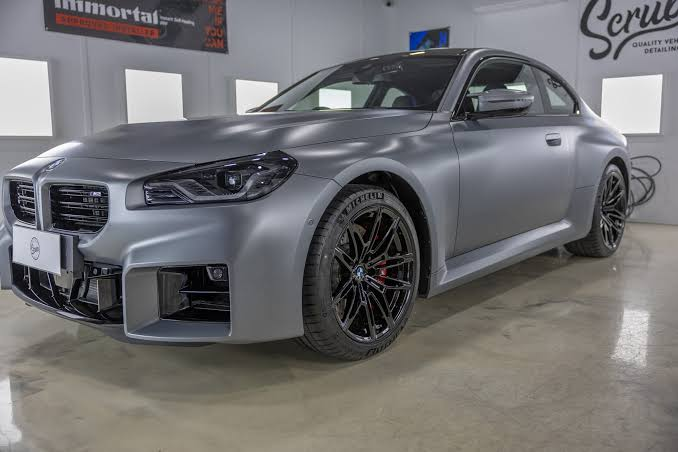
A new car rarely stays “new” for very long. The first tiny stone chip, a scratch from a careless parking lot, or swirl marks after a few washes usually arrive much sooner than expected. None of them affect how the vehicle drives, but they certainly affect how it looks.
That is why more owners are choosing PPF car protection before visible damage begins. Instead of correcting paint every year, they would rather preserve the factory finish from the start. Still, many people are unsure about what PPF actually does, how long it lasts, or whether options like matte PPF are worth considering.
If you’re thinking about getting your car protected, it helps to understand what you’re paying for before booking an installation.
What Is PPF Car Protection?
PPF stands for Paint Protection Film. This is a clear polyurethane film laid over the painted panels of the vehicle to protect them from daily wear and tear.
In contrast with wax or ceramic coatings, which are primarily used to improve shine and water resistance, PPF provides a protective physical layer. In most cases, the impact of rocks, debris, light scratching, and scuffing goes first on the film and not the paint.
Modern films are practically invisible when applied correctly. Most people do not even know that their vehicles have protection if they are not looking carefully along the panel edges.
Why More Car Owners Are Choosing PPF
Road conditions have changed over the years. Construction work is common in most cities, highways throw loose gravel at surprising speeds, and crowded parking areas increase the chances of accidental scratches.
Even routine driving exposes paint to constant wear.
A quality PPF absorbs much of that daily punishment. While it cannot prevent every possible dent or accident, it significantly reduces the kind of cosmetic damage that slowly ages a vehicle.
For people planning to keep their cars for several years, preserving the original paint often becomes one of the biggest advantages.
Does Every Panel Need Protection?
Not necessarily.
While some people choose to protect only the sections of their vehicle that are exposed to the highest amount of abuse, others will opt for total protection, particularly if their vehicle is equipped with expensive paint and is in a dark color.
In reality, there is no correct choice, as the right option varies from one person to another depending on their driving style and the period of time they will keep the vehicle.
What About Matte PPF?
Many people assume matte PPF is only for vehicles that already have a factory matte finish.
That isn’t true.
Matte film can also be installed over glossy paint to create an entirely different appearance without repainting the vehicle. A standard white car, for example, can take on a satin-like finish simply by changing the type of film.
The practical advantages are basically the same; the film still provides protection from chips and minor scratches while also giving the car a distinctive appearance.
For those people who seek a different look but don’t want any permanent modifications, matte PPF has become quite popular among car enthusiasts.
How Long Does PPF Last?
There are some aspects that can affect longevity, like film quality, installation standards, and maintenance.
Premium films are still going to serve well for many years if properly maintained. They will continue to protect your original paint all this time and remain clear.
Some premium products also have self-healing ability, which means that minor scratches usually fade under sunlight or hot water.
Maintenance Is Easier Than Many People Think
What worries most people before buying their first car protection film is the need for special maintenance.
In fact, maintenance is rather straightforward.
Regular washing using a pH-neutral car shampoo is usually enough. Dirt lifts away more easily than many people expect, and there’s no need for aggressive scrubbing.
Automatic car washes with stiff brushes are best avoided, as they can mark both paint and film. Apart from that, caring for a PPF-covered vehicle feels much like caring for any other car.
Is Installation Really That Important?
Absolutely.
Even premium film can disappoint if it is installed poorly.
Dust trapped beneath the film, uneven edges, visible seams, or lifting corners usually point to workmanship rather than the material itself.
Experienced installers spend considerable time preparing the paint before the film is applied. Cleaning, decontamination and, when necessary, paint correction all contribute to the final result.
The difference may not be obvious on the day of installation, but it becomes clear after months of everyday use.
Is PPF Better Than Ceramic Coating?
The comparison comes up often, although the two products solve different problems.
Ceramic coating helps resist water spots, UV exposure, and chemical contaminants. It also makes washing easier.
PPF focuses on physical protection. It guards the paint against stone chips, scratches, and minor abrasions that ceramic coatings cannot stop.
Many enthusiasts eventually choose both. The film protects vulnerable panels, while ceramic coating is sometimes applied over the PPF to improve water repellency and simplify cleaning.
Conclusion
Selecting PPF coating for your car isn’t just about improving its aesthetics right now; it’s about maintaining those aesthetics for years to come. Your car’s paintwork will stay intact thanks to PPF, and the process of wear will be significantly slowed down during daily driving.
Should you be interested in matte PPF coating as well, keep in mind that there’s more to it than just a different kind of paint job. This option includes all the same protective features, only in addition to a unique coat.
When choosing which one to go for, don’t forget about this little detail: quality films deserve quality installation. Choosing a good detailing shop, for that matter, is as important as selecting the film itself.