


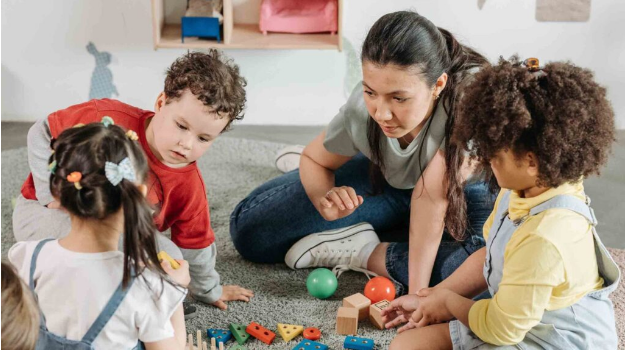
Early learning years shape how children think and behave. A clear daily pattern helps them understand what to expect and how to respond. When children follow a steady routine, they feel more at ease and ready to learn. Learning environments such as ELC in Adelaide support this by maintaining consistent daily practices that guide children through activities with clarity.
Creating a Sense of Security in Young Learners
Young children rely on familiarity to feel safe. When the day follows a predictable flow, they know what comes next and feel less uncertain. This reduces stress during transitions between activities. A consistent routine also helps children build trust in their surroundings, which allows them to engage more comfortably with educators and peers.
Encouraging Self-Reliance Through Repetition
Children learn through repeated actions, which help them manage simple tasks with less support over time. This naturally builds confidence and independence.
Routine supports independence through actions such as:
- Organising their belongings before and after activities.
- Following simple instructions without reminders.
- Completing small tasks such as tidying up.
These habits help children feel capable and more willing to take responsibility.
Improving Focus and Learning Readiness
A steady routine helps children prepare for different parts of the day. When activities follow a clear order, they adjust their attention more easily. They can focus better during learning sessions and relax during breaks. This balance improves their ability to stay engaged and respond well to instructions.
Supporting Positive Social Behaviour
Routine helps children understand how to interact in shared spaces. When group activities follow a familiar pattern, children learn to take turns and listen. Predictable schedules make participation easier and encourage cooperation. This supports the development of early social skills and helps children adjust to group learning.
Role of Early Learning Centres in Maintaining Consistency
Early learning centres create a stable environment by following clear daily patterns. Educators guide children through activities using simple transitions.
Key practices include:
- Planning daily sequences that children can recognise.
- Managing transitions calmly and in an organised way.
- Balancing learning time with play and rest.
Centres such as ELC in Adelaide use these methods to support steady development.
What Parents Should Look for Before Enrolment?
Parents should observe how a centre manages its daily routine before making a decision. A well-organised setting reflects consistency and clarity.
During visits, parents can look for:
- Smooth transitions between activities.
- Engagement from children during sessions.
- Clear structure in the daily schedule.
Attending principal’s tours helps parents understand how the routine works in practice.
Asking the Right Questions During Visits
A visit also allows parents to understand how routines support learning. Asking the right questions can provide useful insight.
Parents can ask:
- How is the daily schedule planned?
- How are transitions handled?
- How are different learning needs supported?
These discussions during principal’s tours help parents make informed choices.
Conclusion
Routine helps children feel secure, develop independence, and stay focused. It supports learning and behaviour in a simple way. A consistent environment allows children to grow with confidence and adjust to new experiences. Choosing a learning space that values routine can support steady development in early years.