


Selecting the right partner to develop your beverage product is one of the most important decisions you’ll make as an entrepreneur. The difference between partnering with an excellent beverage development company and settling for an average one can determine whether your product becomes a market success or fails quietly on retailer shelves.
Table of Contents
Track Record and Portfolio
The most reliable indicator of a partner’s capability is their track record. A reputable beverage development company should have an extensive portfolio of successful product launches across diverse categories—energy drinks, functional beverages, RTD cocktails, sports drinks, and more.
Ask for detailed case studies, not just logos of brands they’ve worked with. Understand what specific challenges they solved, how long development took, and whether products achieved commercial success. Request references from previous clients willing to discuss their experience directly.
Expertise in Your Specific Category
Beverage development is not one-size-fits-all. Developing energy drinks requires different expertise than formulating sports drinks or craft beverages. While a quality company should have broad knowledge, they should have particular depth in your category.
If you’re developing a hard seltzer, choose a partner with proven hard seltzer experience. If it’s a functional beverage, ensure they understand functional ingredients and their stability in aqueous systems. Specialized expertise accelerates development and prevents costly mistakes inherent to category-specific challenges.
In-House Laboratory and Testing Capabilities
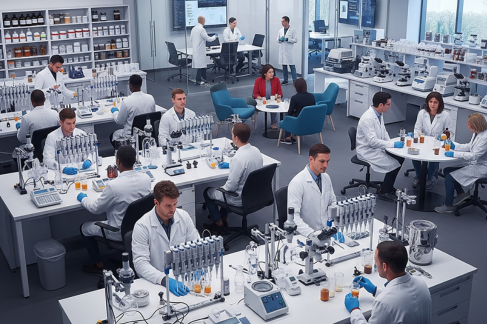
Legitimate beverage developers maintain their own laboratories equipped for formulation testing, stability studies, and microbial analysis. They shouldn’t need to outsource critical testing—it should be core capability.
Visit their facilities if possible. Observe their laboratory equipment, cleanliness standards, and testing protocols. Ask about their shelf-life testing capabilities, particularly regarding accelerated aging studies and microbiological analysis. Companies cutting corners on their own facilities often cut corners on your product.
Regulatory and Compliance Expertise
Beverage regulations are complex and constantly evolving. Your development partner should employ or have access to regulatory specialists who understand requirements across your target markets.
Ask how they handle regulatory compliance. Do they stay current with FDA regulations, European novel food requirements, and regional restrictions? Can they navigate health claim regulations and ingredient restrictions? Have they successfully navigated regulatory approval for products in your target countries?
Ingredient Sourcing and Supply Chain Network
Quality beverage development requires access to premium ingredients. A strong development company should have established relationships with ingredient suppliers worldwide, enabling them to access specialty ingredients that give your product competitive advantage.
They should understand ingredient availability, pricing, and supply stability. They know which ingredients face supply constraints and can suggest alternatives if sourcing becomes problematic. This network prevents nasty surprises after your product is already in production.
Flavor and Sensory Development Expertise
Beverage taste is subjective yet critical. Your partner should have experienced flavorists or access to them who understand consumer preferences in your target market. They should conduct sensory testing with actual consumers, not rely solely on internal preference.
Ask about their sensory evaluation process. Do they test prototypes with target consumers? Can they iterate based on feedback? Do they understand flavor trends and emerging consumer preferences in your specific beverage category?
Production Scalability Knowledge
A developer who understands small-batch creation but hasn’t scaled products to commercial production can lead you into costly surprises. Effective partners have worked with manufacturers at scale, understanding production constraints, equipment limitations, and quality assurance requirements.
They should be able to discuss specific technical challenges associated with scaling your particular formulation and provide solutions for addressing them. Ask about their relationships with manufacturers—do they have preferred partners they frequently recommend?
Cost Optimization and Manufacturing Efficiency
While your primary concern is product quality, a good development partner helps optimize costs without compromising that quality. They understand ingredient pricing, packaging efficiencies, and manufacturing optimization that improves profit margins.
Ask how they balance quality with cost-effectiveness. Can they suggest more cost-effective ingredient alternatives without degrading product quality? Do they understand packaging optimization? Have they helped other clients reduce production costs?
Communication and Project Management
Development is a collaborative process. Your partner should communicate clearly, provide regular progress updates, and be responsive to your questions and concerns. Vague responses, delayed communication, or defensiveness about their process are red flags.
Understand their project timeline expectations, milestone structure, and decision-making process. A professional company provides clear roadmaps and timeline estimates based on your specific requirements.
Post-Launch Support
The best development partners don’t disappear after your product launches. They provide ongoing support for troubleshooting production issues, responding to market feedback, and developing product variations or improvements.
Ask about their post-launch support services. Do they help with shelf-life monitoring? Can they assist with customer complaints about product quality? Can they help develop new flavors or variations based on market feedback?
Transparent Pricing and Terms
Be wary of vague pricing structures or companies unwilling to provide detailed cost breakdowns. Legitimate developers explain what they charge for and why. They provide detailed proposals outlining scope, timeline, deliverables, and costs.
Understand intellectual property ownership. Who owns the formulation? What rights do you have to the recipe? Can they work with your formulation once the engagement ends?
Note: Be cautious of developers who promise unrealistically short timelines, avoid discussing regulatory requirements, are reluctant to discuss their laboratory capabilities, or seem more interested in expanding their portfolio than your product’s success.
Conclusion
Choosing a beverage development company is investing in your product’s potential. The right partner brings expertise, efficiency, and industry connections that significantly improve your chances of success. Take time to evaluate options thoroughly before committing. Your investment in selecting the right partner will pay dividends throughout your product’s lifecycle.