


When you look at a giant cargo plane or a massive mining drill, you are seeing a miracle of power. These machines must move heavy loads without breaking. For a long time, engineers used square or hex shapes to connect parts that spin. However, things are changing fast in the modern world.
In the world of aviation, every ounce of weight matters. Spline drives allow engineers to use thinner shafts that carry more power than a standard square drive. This weight saving helps planes fly further and use less fuel. Precision is also a major factor because airplane parts spin at incredibly high speeds. A spline ensures that everything stays perfectly centered which reduces vibration and noise in the cockpit.
Understanding The Spline Drive Technology
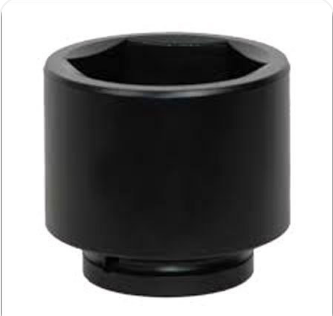
A spline impact socket is a series of grooves or teeth cut into a shaft. These teeth mesh perfectly with a matching piece. Use of a spline system reduces the chance of a part becoming rounded off. This is a major problem with hex bolts where the corners get damaged. In a spline setup, the teeth grab each other firmly. This grip is essential when you are dealing with the high speeds found in jet engines or the massive pressure of oil rigs. Understanding this science helps us see why the transition is happening across the board.
Since the physics of the spline is so superior, it is easy to see why high stakes industries were the first to adopt it. These sectors cannot afford any mistakes or part failures during operation.
Why Industries Move From Traditional Screw Drivers To Spline Drives
Companies are moving away from old designs and choosing spline impact socket systems instead. This shift is a necessary move for safety and better work.
- Spline drives provide more contact area than traditional shapes.
- They allow for much higher torque without damaging the metal.
- The aerospace world requires parts that never fail under pressure.
- The heavy industry needs tools that can handle extreme vibrations.
- A spline impact socket is now a common sight in professional workshops.
Comparing Spline Drives to Traditional Square Drives
If you compare a spline to a square drive, the difference is clear.
- A square drive has only four points of contact. This creates stress risers where the metal is likely to fail first.
- A spline has a circular pattern of teeth that eliminates weak spots. Spline is more efficient at transferring energy from the motor to the moving parts.
Why Aerospace Demands High Precision Spline Systems
Safety is the most important rule in the sky. If a bolt or a shaft fails on an engine, the results can be terrible. Spline systems provide a level of reliability that other designs simply cannot match.
Mechanics often rely on a spline impact socket distributor to get the high quality tools needed for these sensitive jobs. By using the right shapes, the industry ensures that every connection is secure.
The Need for High Torque in Heavy Industry
Heavy industry involves moving mountains and building skyscrapers. The machines used in these jobs face incredible resistance and need massive amounts of torque to function. Traditional square drives often fail under this kind of stress because the pressure is concentrated on small areas. Splines solve this by distributing that energy across a dozen or more teeth. This allows the machine to pull harder without snapping the drive shaft.
Final Thoughts
The transition to spline drive systems is a logical step for aerospace and heavy industry. By spreading the load and reducing weight, these systems offer a level of performance that square drives cannot reach. It makes machines safer, stronger, and much more reliable.
Looking for a reliable spline impact socket distributor? Impact socket is your go to place for it. Visit the official website of Impact Socket to explore products.