Launching an e-commerce business is exciting, but landing on the perfect brand name can quickly become your first major roadblock. Your store name is one of the first things customers notice, and it can shape how they feel about your products before they ever click “Add to cart.”
Many aspiring entrepreneurs search for a reliable Shopify name generator only to find themselves wading through hundreds of uninspired, robotic recommendations. Standard tools often tack generic suffixes like “hub,” “emporium,” “market,” or “shop” onto your keyword, leaving you with names that feel clunky, forgettable, or already taken.
If you are frustrated by outdated generators and want a more strategic way to brainstorm your Shopify store name, there is a better approach. A modern naming tool should not simply combine random words. It should help you think like a brand strategist.
That is why I recommend ShopSideK’s free Shopify name generator. It gives founders a more structured, creative, and practical way to discover brandable store name ideas.
Table of Contents
The Frustration with Generic Business Name Tools
Most online business name generators operate on simple algorithms. They take your seed keyword and combine it with a pre-programmed list of common retail terms. The result is often a long list of names that sound almost identical to thousands of existing online stores.
For example, if you enter a keyword like “skincare,” many basic generators may return names such as:
- Skincare Hub
- Skincare Store
- Skincare Market
- Skincare World
- Skincare Emporium
These names may technically describe the business, but they rarely feel unique. They also do not give customers much reason to remember your brand.
This lack of creativity creates a second problem: domain availability. After spending time reviewing a list of names, it is discouraging to discover that most of the domains are already registered or that similar businesses already exist.
For new founders, this can turn the naming process into a frustrating cycle. You brainstorm, search, reject, and repeat. Instead of helping you move forward, the tool creates more confusion.
A strong Shopify name generator should do more than produce random combinations. It should help you explore different naming styles, understand your brand direction, and build a shortlist of names that feel usable in the real world.
What Makes a Good Shopify Store Name?
A good Shopify store name does more than sound nice. It should support your brand identity, make your business easier to remember, and help customers quickly understand the feeling behind your store.
Before choosing a name, it helps to know what you are actually looking for. A strong e-commerce brand name usually has several important qualities.
First, it should be easy to spell. If customers hear your name in a video, podcast, or conversation, they should be able to type it without guessing. Complicated spellings may look creative, but they can make your brand harder to find.
Second, it should be easy to remember. Shorter names are often more memorable, especially when they have a clear rhythm or sound. This matters because customers may not buy the first time they visit your store. A memorable name makes it easier for them to come back later.
Third, it should match your niche and audience. A luxury jewelry store needs a different kind of name from a playful pet brand or a modern tech accessories shop. The name should create the right first impression.
Fourth, it should allow room for growth. A name like “Blue Yoga Mats” may work if you only sell yoga mats, but it may feel limiting if you later expand into activewear, water bottles, or wellness products. A flexible name gives your business more freedom.
Finally, the name should be available. Before committing to any store name, you should check domain availability, social media handles, and possible trademark conflicts. A name is only useful if you can actually build a brand around it.
This is why a structured naming tool is helpful. It gives you more than one type of idea, allowing you to compare names based on clarity, emotion, memorability, and long-term potential.
Why Your Store Name Matters for Customer Psychology
A business name is often the first psychological signal your customer receives. Before people read your product descriptions or reviews, they form a quick impression based on your brand name.
A polished name can make a new store feel more professional. A warm and emotional name can make a brand feel more personal. A clean and simple name can make customers feel that the shopping experience will be easy and trustworthy.
For example, a skincare store named PurePlant immediately suggests natural ingredients, simplicity, and wellness. A name like Aureus feels more premium and elegant. A name like TrueNorth creates a sense of mission, direction, and trust.
This matters because online shoppers are constantly making quick judgments. If a store name feels generic, confusing, or difficult to pronounce, it can create hesitation. If it feels clear and intentional, it can help build confidence.
This is one reason I like ShopSideK’s Shopify name generator. It does not only produce random words. It organizes name ideas into different strategic styles, which makes it easier to choose a name based on the feeling you want your brand to create.
How ShopSideK’s Shopify Name Generator Raises the Bar
I tested the Shopify Business Name Generator by ShopSideK to see how it compares to standard generators, and the difference in output quality was clear.
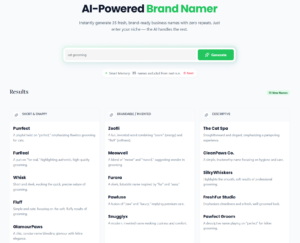
Instead of dumping a single, disorganized list of terms onto your screen, the tool uses AI to categorize name ideas into seven distinct strategic styles. This makes the brainstorming process much more useful because you can evaluate names based on brand direction rather than simply scrolling through random suggestions.
Here are the seven naming categories:
Short & Snappy
These are punchy, memorable names that are often one or two syllables. They are ideal for brands that want to feel modern, simple, and easy to remember.
Example: Zest
Short names can work especially well for fashion, beauty, tech accessories, lifestyle products, and modern consumer brands.
Brandable or Invented
These are unique names created specifically for your brand. They may not have a direct dictionary meaning, but they can become highly distinctive over time.
Example: Solara
Invented names are useful when you want something original, flexible, and easier to turn into a recognizable brand identity.
Descriptive
Descriptive names clearly communicate what you sell or what your brand is about. They are helpful when you want customers to understand your store quickly.
Example: PurePlant
This style works well for stores in categories such as skincare, wellness, food, home goods, and eco-friendly products.
Modern & Trendy
These names feel sleek, current, and culturally relevant. They are often short, clean, and visually appealing.
Example: Mint
Modern names are a good fit for brands targeting younger audiences or selling products in fashion, beauty, decor, gadgets, or lifestyle categories.
Luxury & Premium
These names are designed to feel sophisticated, refined, and trustworthy. They can help position a brand at a higher price point.
Example: Aureus
Luxury-style names work well for jewelry, skincare, fragrance, home decor, fashion, accessories, and curated gift stores.
Compound Names
Compound names blend two words or concepts together to create something memorable and meaningful.
Example: EarthWise
This style is useful because it can combine clarity with personality. It gives customers a hint about your brand while still feeling unique.
Emotional or Story-Driven
These names suggest a mission, feeling, or deeper story. They can help a store feel more human and values-driven.
Example: TrueNorth
Emotional names are especially strong for wellness brands, sustainable products, family-focused stores, handmade goods, and mission-led businesses.
The Two Features That Make the Tool More Useful
Beyond the naming categories, two features stood out during my test.
The first is Smart Memory. When you request a new batch of names, the tool automatically filters out names you have already seen. This means you do not waste time reviewing duplicate ideas again and again.
That may sound simple, but it makes a big difference during a real brainstorming session. When you are trying to choose a brand name, momentum matters. Seeing repeated suggestions can make the process feel stale, while fresh ideas help you keep exploring.
The second standout feature is that the tool is useful for global founders. You can describe your business concept in languages such as French, Spanish, or Japanese, and the AI can translate the core idea into English-focused brand names.
This is especially helpful for entrepreneurs who plan to sell internationally or want an English brand name even if English is not their first language.
Shopify Store Name Examples by Business Type
Different store types need different naming styles. A name that works for a premium jewelry brand may not work for a playful pet supply store. A name that fits a minimalist tech brand may feel too cold for a handmade candle shop.
Here are some examples of naming directions by niche:
| Store Type | Naming Style That Works Well | Example Direction |
| Beauty and skincare | Clean, natural, premium | PurePlant, LumaSkin, GlowNest |
| Fashion boutique | Stylish, short, memorable | Vela, Modea, Threadly |
| Home decor | Warm, emotional, lifestyle-driven | Havenly, CasaKind, Hearth & Hue |
| Eco-friendly products | Mission-based, earthy, trustworthy | EarthWise, Greenora, TrueRoot |
| Tech accessories | Modern, sleek, short | Voltix, Nexa, SnapCore |
| Pet products | Friendly, playful, emotional | PawNest, FurryJoy, Tailsy |
| Luxury goods | Elegant, refined, premium | Aureus, Velora, Maison Vale |
| Fitness products | Energetic, bold, motivational | Flexora, CoreRise, MoveWell |
| Baby products | Soft, caring, trustworthy | LittleNest, BabyBloom, TinyKind |
| Handmade gifts | Personal, warm, story-driven | CraftedJoy, KindParcel, MadeMirth |
This kind of comparison makes the naming process more strategic. Instead of asking only, “Do I like this name?” you can ask, “Does this name fit the customer I want to attract?”
That shift is important. A good name is not just about personal taste. It is about positioning.
How to Use ShopSideK’s Generator More Strategically
To get better results from the generator, do not enter only one basic keyword. The more useful your input is, the more relevant your name ideas will be.
For example, instead of typing:
candles
Try something more specific:
eco-friendly soy candles for calm evening routines and minimalist home decor
This gives the AI more context about your product, audience, mood, and brand direction. As a result, the generated names are more likely to match the kind of store you actually want to build.
You can also run multiple searches using different angles.
For a skincare store, you might test:
- Natural skincare for sensitive skin
- Minimalist beauty products for busy women
- Luxury botanical skincare brand
- Clean beauty store with eco-friendly packaging
- Gentle self-care products for everyday routines
Each prompt may produce a different type of name. Some may be descriptive, while others may be emotional, premium, or invented. This gives you a broader set of options and helps you discover naming directions you may not have considered.
The goal is not to accept the first name you see. The goal is to build a strong shortlist.
A Simple Checklist Before Choosing Your Shopify Name
Once you have a shortlist of names, do not rush to register the first one that sounds good. A name can look great in a generator but still fail in the real world if it is confusing, unavailable, or too similar to another brand.
Use this checklist before making your final decision:
1. Say the name out loud
A good brand name should sound natural when spoken. If it feels awkward or difficult to pronounce, customers may struggle to remember it.
2. Spell it without looking
Ask yourself whether someone could spell the name after hearing it once. If the spelling is too unusual, you may lose direct traffic from people typing it incorrectly.
3. Check domain availability
Look for a clean, professional domain. A .com domain is often preferred, but other extensions can work depending on your market and brand strategy.
4. Check social media handles
Consistent handles across platforms make your brand easier to find. Even if you do not plan to use every platform immediately, it is smart to check availability early.
5. Search for similar brands
Look for businesses with the same or similar names, especially in your niche. You do not want customers confusing your store with another company.
6. Think about your product expansion
Make sure the name will still make sense if your store grows. Avoid names that are too narrow unless you are certain you want to stay in one specific category.
7. Imagine the name on a logo
A good name should look strong on packaging, website headers, invoices, social media graphics, and ads.
8. Consider the emotional message
Ask what the name makes people feel. Does it sound premium, fun, natural, bold, elegant, or trustworthy? Make sure the feeling matches your brand.
9. Check for unintended meanings
This is especially important for global brands. A name may sound good in one language but have an awkward or negative meaning in another.
10. Do a basic trademark search
Before investing in logo design, packaging, or paid ads, check whether the name could create legal issues. If you are serious about the brand, consider getting professional legal advice.
Common Mistakes to Avoid When Naming Your Shopify Store
Many new founders treat naming as a purely creative task, but there are practical mistakes that can weaken a brand before it even launches.
One common mistake is choosing a name that is too generic. A name like Best Cheap Phone Case Shop may describe what you sell, but it does not feel memorable or brandable. It also makes the business sound less professional.
Another mistake is using forced creative spelling. Unique spelling can work in some cases, but it becomes a problem when customers cannot pronounce, remember, or search for the name easily.
A third mistake is choosing a name that is too narrow. For example, if you call your store Blue Yoga Mats, the name may feel limiting if you later want to sell workout clothing, resistance bands, water bottles, or wellness journals.
Some founders also choose names based only on what they personally like. Personal taste matters, but your audience matters more. A good name should appeal to the type of customer you want to attract.
Finally, many people forget to check availability before getting attached to a name. This can lead to disappointment if the domain, social handles, or trademark situation does not work.
Using a Shopify name generator can help you avoid these mistakes by giving you more options early in the process.
Overcoming Skepticism About Free Name Generators
Many entrepreneurs are skeptical of free name generators, and that skepticism is understandable. Some tools exist mainly to upsell expensive domains or collect email addresses. Others generate names that feel robotic, repetitive, or unusable.
ShopSideK’s tool feels different because it is focused on the naming process itself. It is free to use, requires no sign-up or credit card, and has a clean interface that makes brainstorming easy.
You can “heart” your favorite options to build a shortlist and copy names to your clipboard with one click. This is useful because naming is rarely a one-step decision. You may want to compare ideas, revisit favorites, and discuss options with a business partner, designer, or friend.
The generated names also feel more organic than what many basic generators produce. They are not perfect replacements for your own judgment, but they provide a strong creative starting point.
That is exactly what a good AI naming tool should do. It should help you move from a blank page to a useful shortlist faster.
Why This Tool Is Especially Helpful for New Shopify Founders
New Shopify founders often have a lot to figure out at once. They need to choose products, define their audience, set up a store, write product descriptions, create visuals, plan marketing, and build trust with customers.
Naming can become a bottleneck because it feels permanent. Many founders delay launching because they are afraid of choosing the wrong name.
A tool like ShopSideK’s Shopify name generator helps reduce that pressure. It gives you different naming directions to explore, which makes the process feel less overwhelming.
Instead of trying to invent the perfect name from nothing, you can compare styles:
- Do you want something short and catchy?
- Do you want something descriptive?
- Do you want something premium?
- Do you want something emotional?
- Do you want something invented and brandable?
These categories help you make a more confident decision.
How a Better Name Can Support Your Marketing
Your Shopify store name can influence your marketing in several ways.
A memorable name is easier to use in social media content. It is easier to mention in videos, easier to place on packaging, and easier for customers to recommend to friends.
A clear name can also help your ads feel more trustworthy. If the name matches the product and audience, customers are less likely to feel confused when they land on your website.
A flexible name can support future growth. If your first product succeeds, you may want to expand into related categories. A good brand name gives you room to do that without needing to rebrand.
This is why the naming stage deserves real attention. Your name is not the whole brand, but it becomes one of the foundations your brand is built on.
Final Thoughts: A Name Is the Start of Your Brand Story
Selecting a business name is a foundational step that sets the tone for your marketing, design, customer trust, and long-term brand identity.
A Shopify store name is not just a label. It is the beginning of your brand story. It shapes how customers remember you, how your logo feels, how your ads sound, and how professional your store appears at first glance.
Rather than relying on outdated generators that produce generic options, using a categorized, AI-powered system can make the brainstorming process much more effective.
ShopSideK’s free Shopify name generator stands out because it gives founders structured, creative, and practical options instead of simple keyword combinations. Whether you want something short and snappy, premium, descriptive, invented, modern, compound, or story-driven, it gives you a stronger starting point for building a brand that feels real from day one.
If you want to build a brand that stands out from the competition, use this free Shopify name generator to explore fresh concepts, save your favorite ideas, and choose a store name you can grow with for years to come.
FAQs About Shopify Name Generators
Is ShopSideK’s Shopify name generator free?
Yes. ShopSideK’s Shopify name generator is free to use. You do not need to sign up or enter credit card details to generate store name ideas.
Can I use a generated Shopify name immediately?
You can use a generated name as inspiration, but you should always check domain availability, social media handles, and possible trademark conflicts before officially launching your store with that name.
What is the best type of name for a Shopify store?
The best type of name depends on your niche, audience, and brand positioning. A luxury store may need a premium-sounding name, while a pet brand may benefit from something friendly and playful. A tech store may work better with a short, modern name.
Should my Shopify store name include my product keyword?
It can, but it does not have to. Descriptive names can help customers understand what you sell, but overly keyword-focused names may sound generic. A brandable name can be stronger if you want flexibility and long-term growth.
How many store name ideas should I compare before choosing?
It is smart to create a shortlist of at least 10 to 20 strong options. Then narrow the list based on memorability, availability, audience fit, and long-term brand potential.
What should I avoid when choosing a Shopify store name?
Avoid names that are too long, too generic, hard to spell, too similar to existing brands, or too narrow for future expansion. You should also avoid names that may create trademark issues.
Can a Shopify name generator help with branding?
Yes. A good Shopify name generator can help you explore different brand directions, such as luxury, modern, emotional, descriptive, or invented names. This can make the branding process clearer and faster.
Do I need a .com domain for my Shopify store?
A .com domain is often preferred because it feels familiar and professional, but it is not the only option. What matters most is that your domain is clean, easy to remember, and aligned with your brand.

